But we don’t have a [blank]
The term ‘Percussion’ covers a lot of instruments. As such, it’s a pretty common to come across ones listed in your sheet music which you don’t have access to. Whether this is due to limited budget, broken instruments, or obscure rarities don’t really matter. What does matter is figuring out a suitable alternative.
The basic principle to selecting an alternative is to find something with the closest equivalent timbre or function. So, without further ado, here are my Top 10 percussion substitutions!
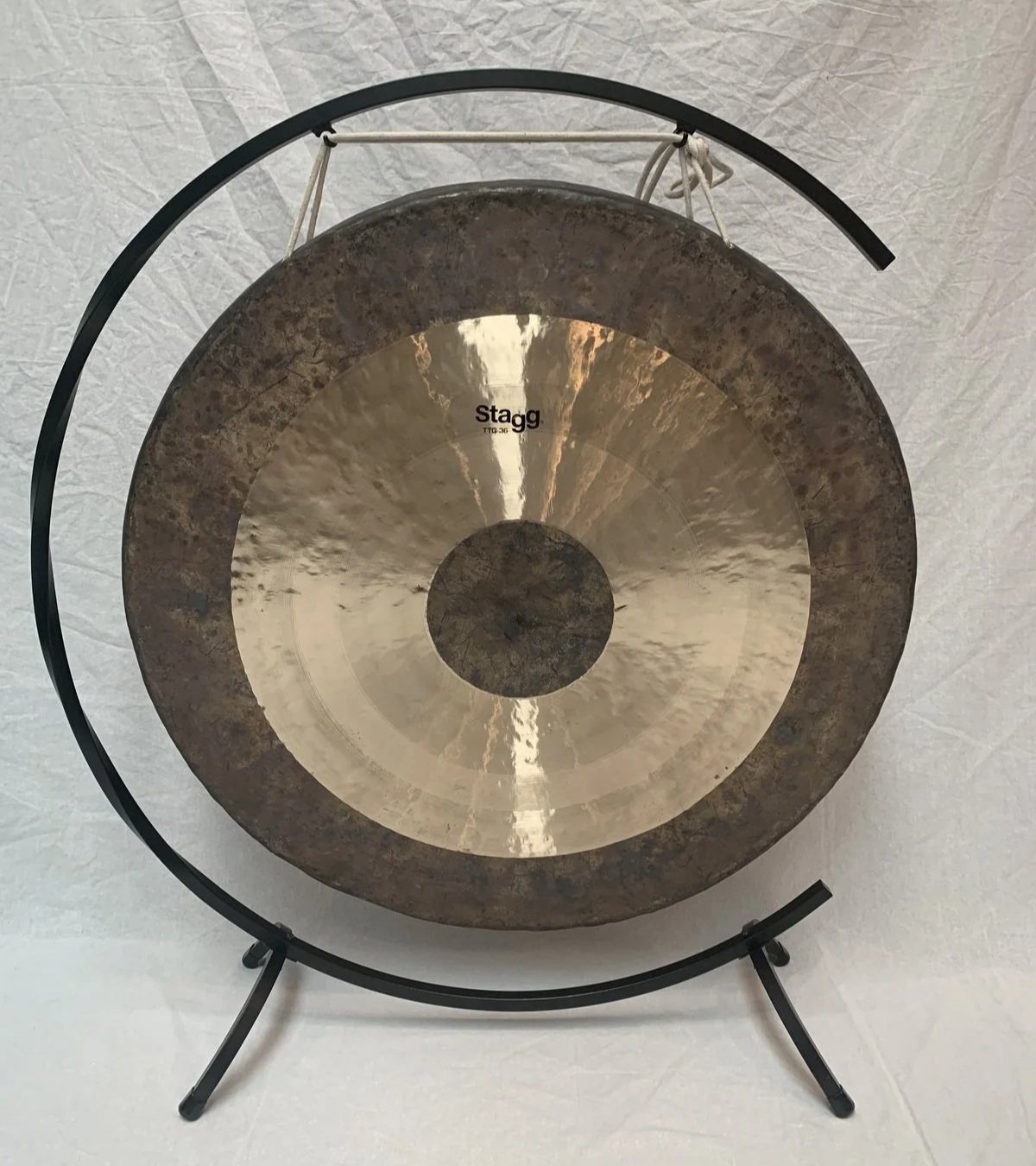
1. Gong/Tam-Tam
While it’s a gross oversimplification, in principle a gong or tam-tam is just a massive cymbal.
In western music, gongs are typically used for emphasis in a piece, similar to how suspended cymbals will crescendo to a release. The difference is the type of sound that it makes. Normal suspended cymbals typically have a thin, bright sound. By contrast, orchestral gongs have a darker quality, with more harmonics and overtones, approximating a roar when struck. As such, your best alternative is to use a ride cymbal. While it won’t have quite the depth or complexity of sound as a gong, it will have those darker tones you’re looking for.
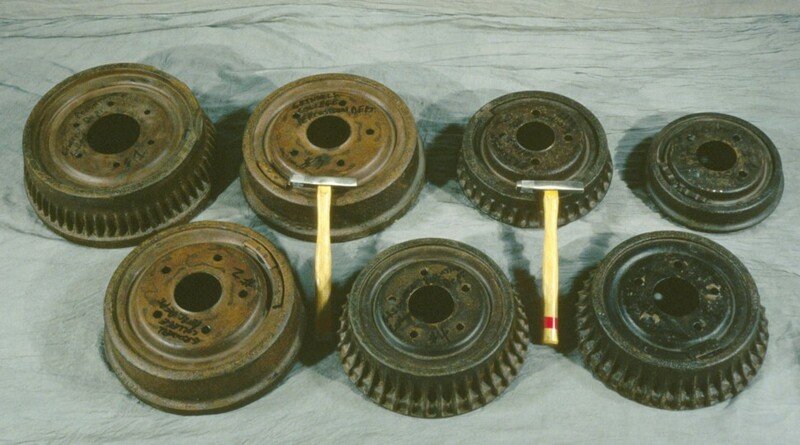
2. Anvil/Brake Drum
When you see anvil or brake drum written in a score, often what the composer is looking for isn’t a specific pitch but rather a sound that makes you feel like you’re in the Industrial Revolution or a blacksmith. As such, you don’t want too pure a sound but you do want something metallic.
If you don’t have either of these instruments, you can use just about any piece of metal struck with the back end of a stick or a hard rubber mallet. The bell of a ride cymbal or a bit of piping are common alternatives. And if it’s ‘pinging’ too much with high overtones, try muffling it with some moon gel.
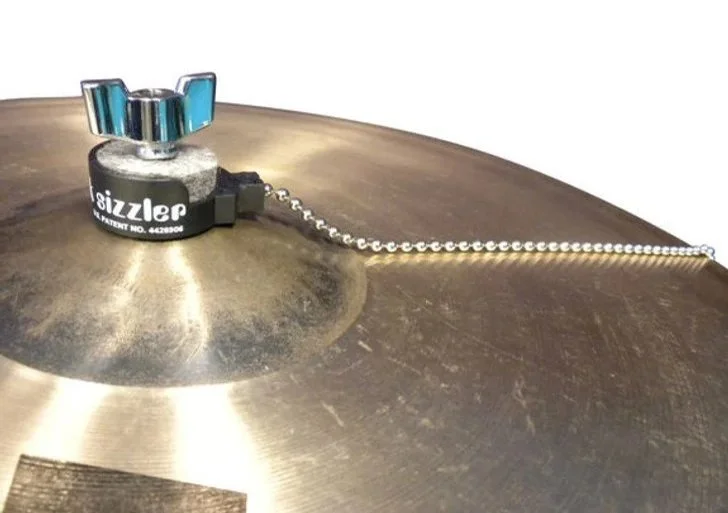
3. Sizzle Cymbal
Generic cymbals to the rescue again on this one!
Get some ball chain, like the kind they use for roller blinds. You can choose a thickness/sizing based on the sound you want, but I prefer a smaller sized bead. Loop a strand of ball chain around the top of the cymbal stand so that it drapes across the cymbal. When you strike the cymbal the ball chain will bounce, thus creating a sizzle sound!
In fact, this is such a common alternative that brands like Promark sell an official “Cymbal Rattler”. Though I find the standard ballchain works just as well!
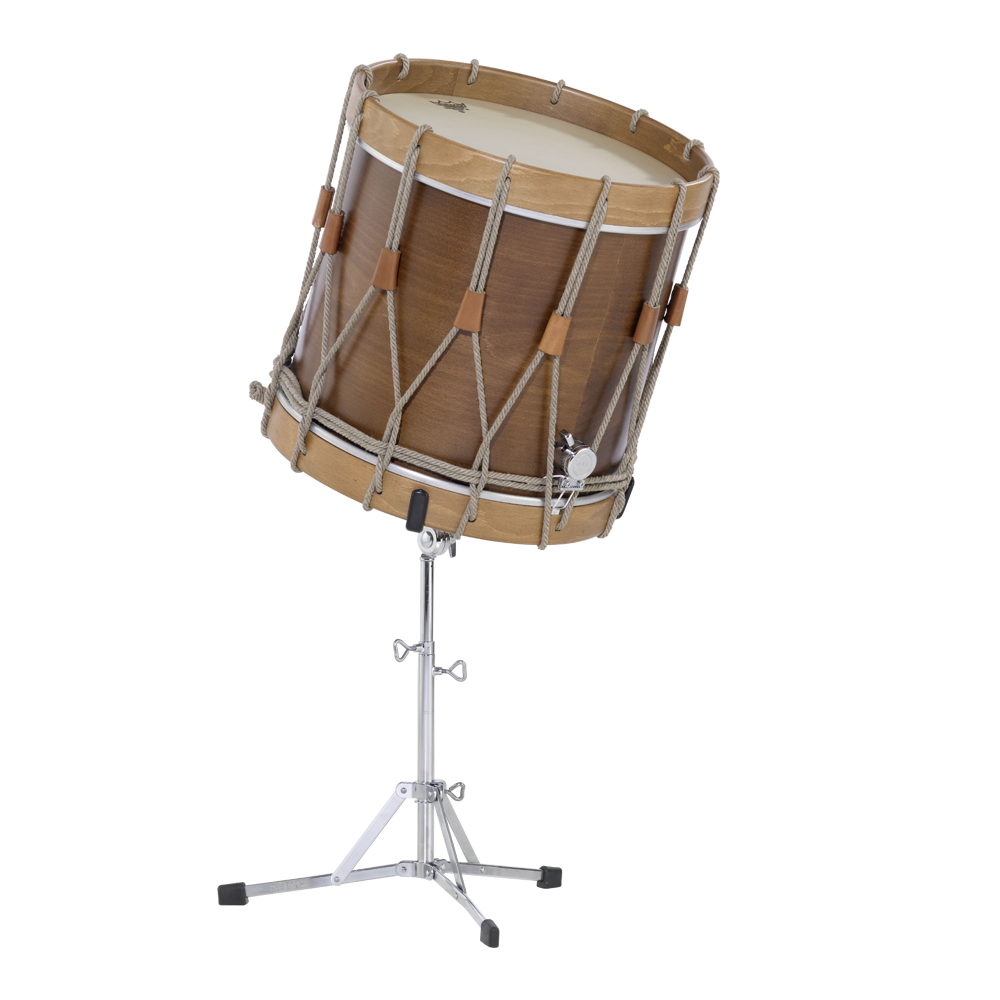
4. Field/Tenor Drums
Field, tenor, and snare drums are all members of the same family. Historically, these instruments have their roots in military and ceremonial contexts. Nowadays, their purpose and appearances vary depending on whether they’re being used in a marching or orchestral context.
Field drums are larger and deeper than snare drums and will therefore produce a darker sound. Traditional field drums will also likely use a rope tensioning system (as opposed to the tension rods used on modern snare drums) and calf heads with gut snares.
By contrast, snare and tenor drums are much more similar, especially in terms of size. The main difference being that a tenor drum will not have snares.
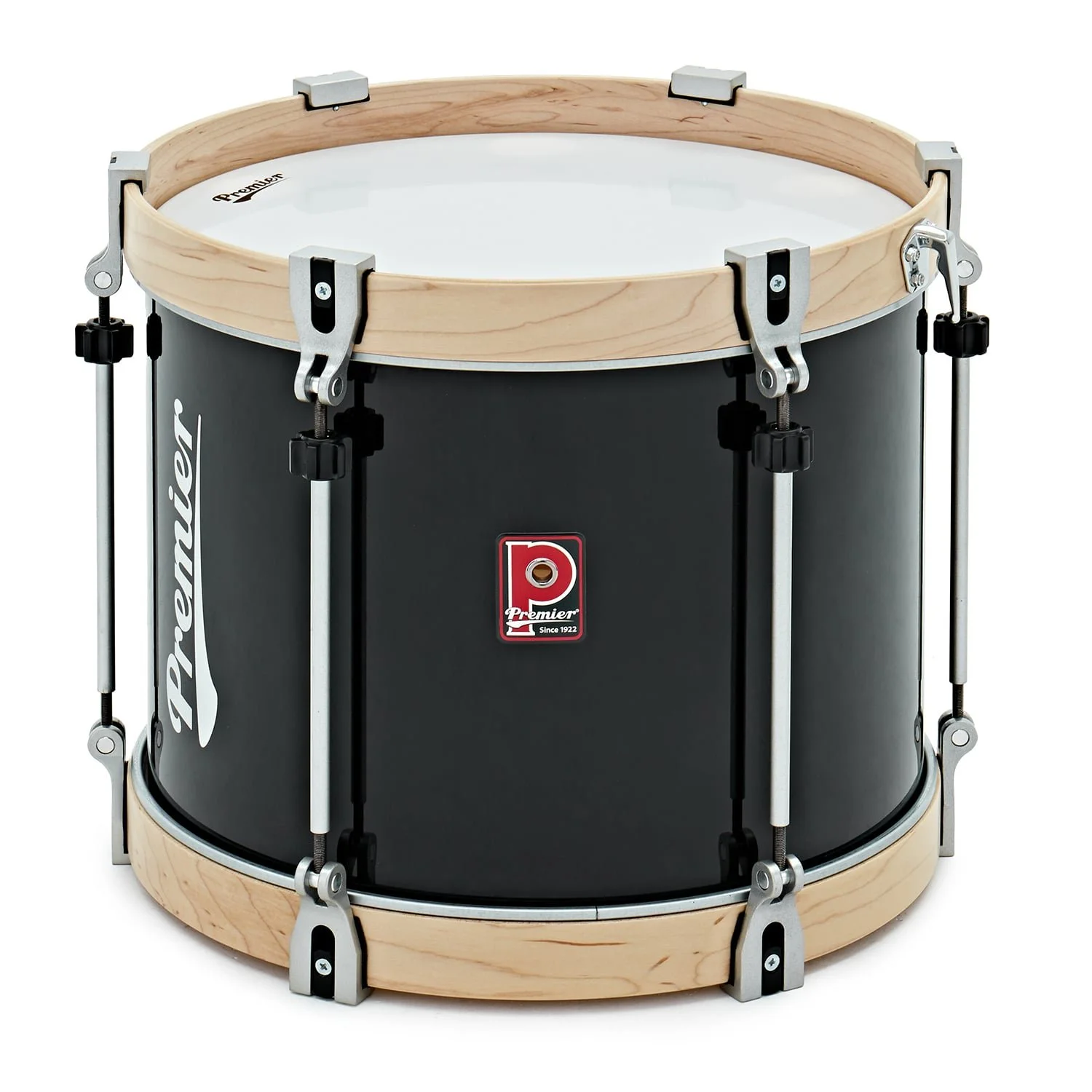
All in all, a snare drum will be your best alternative for both of these instruments. If it’s subbing in for a field drum, try and use your deepest sounding snare drum. If it’s subbing in for a tenor, make sure you keep the snare off.
5. Marimba
Pretty basic answer to this one. Use the lowest octave of a xylophone.
6. Vibraphone
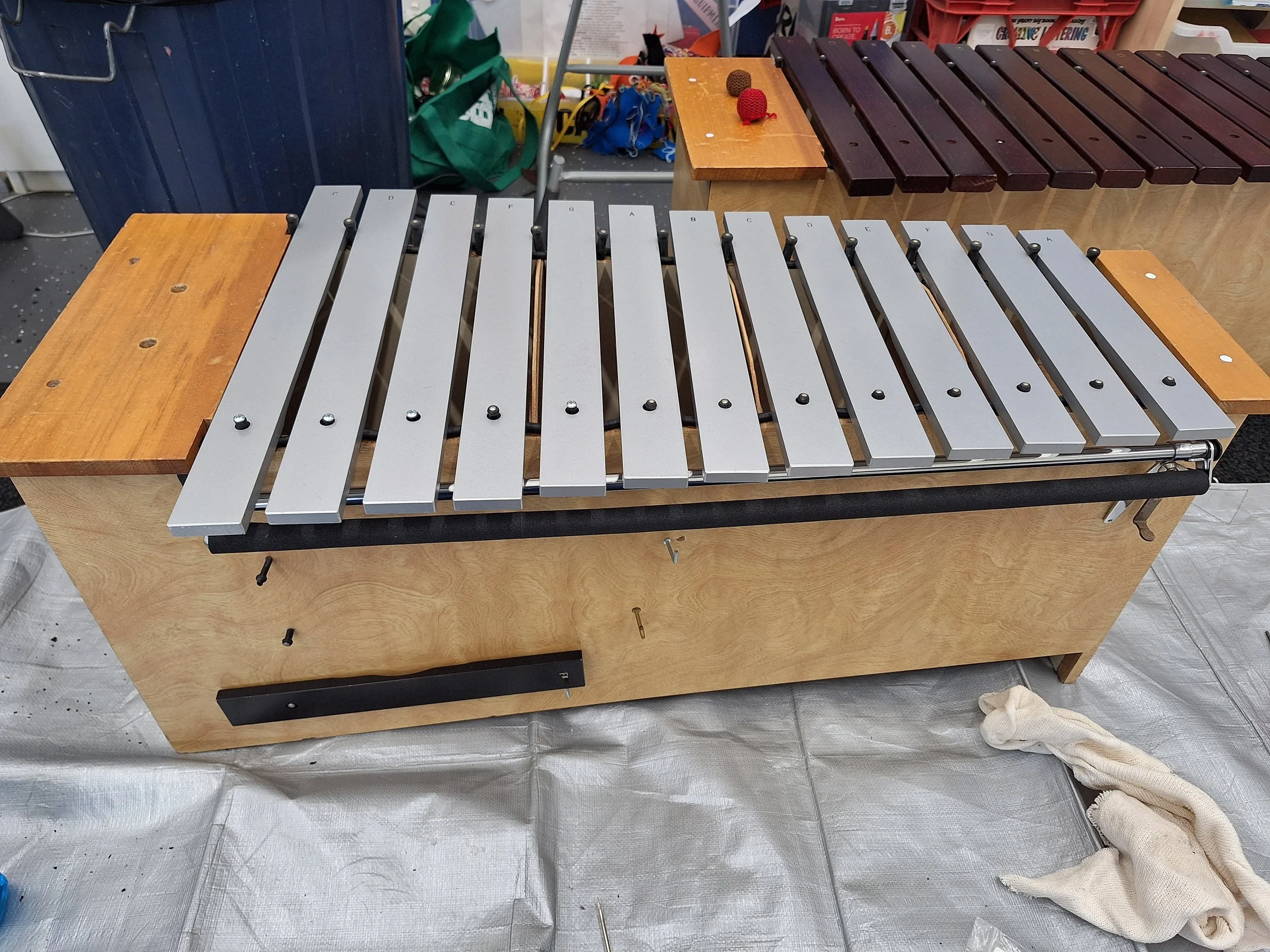
The best match for a vibraphone is either a glockenspiel or metallophone.
A glockenspiel isn’t perfect because the pitch will be way too high, but at the very least you’ll be getting a tuned metal sound. If you have a metallophone that’s a better alternative because its lower pitch is closer in character to a vibraphone and some even come with dampening rods which you can flick on and off.
7. Chimes/Tubular Bells
Tubular bells, also known as chimes, are harder to find an alternative for. Their timbre is wildly different to most other orchestral instruments; being very clear, metallic, and resonant. The best recommendation for alternatives is a vibraphone. However, given that vibraphone was the previous entry on this list, there’s a high chance you won’t have one of those either.
If you do have a vibraphone then use the lowest octave possible. The sound won’t be as direct, but you can mitigate this slightly by using a harder woven or even a rubber mallet. If you don’t have a vibraphone, then use a metallophone. Neither option has the same sound quality as a proper set of tubular bells, but they’re nearer the ballpark than a marimba.
If you are really strapped for options, you can also use keyboard sound effects.
8. Crotales
If you don’t know what crotales are, the best description I can give is that they’re like a glockenspiel but instead of bars they have metal discs. They have comparable levels of projection to a glockenspiel, however crotales have more overtones and I would argue a sharper yet warmer sound quality.
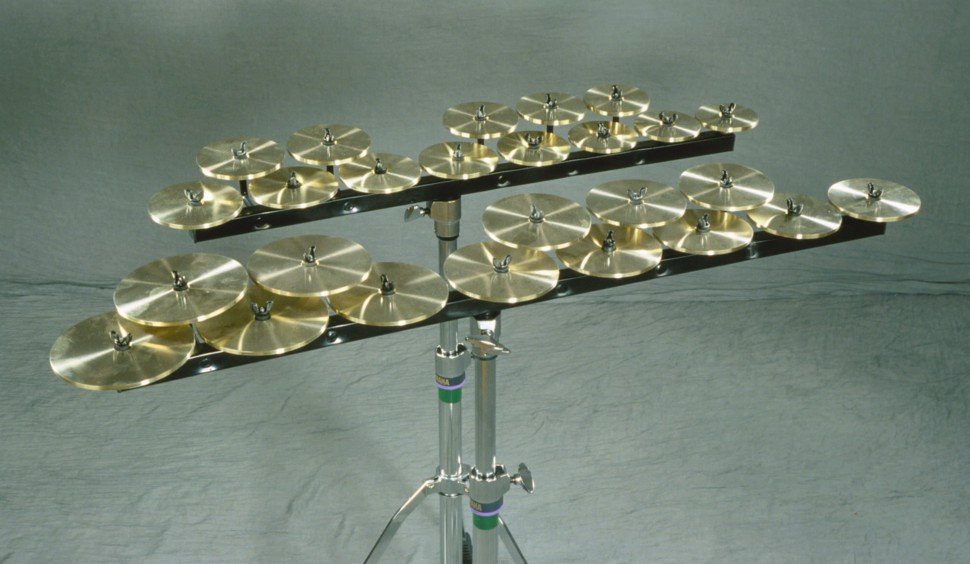
All this to say that your closest equivalent for crotales is a glockenspiel. Maybe use brass mallets if you have them.
9. Not enough timpani
The simplest solution for not having enough timpani is to play the notes up or down an octave accordingly. This can get difficult though if there are a lot of note changes written in the part, your timpanist is inexperienced, or your timpani ranges are limited due to instrument age or disrepair.
Another alternative for if you’re missing notes at the top of the range (i.e., 23” timpano) is to tune a medium or small tom tom to the equivalent pitch.
If you’re missing low notes (i.e., 32” timpano) there aren’t a lot of options unfortunately. I have seen some people attempt the same tuning method but with a bass drum. However, I don’t recommend this because you’ll struggle to get a definite pitch and it’s a hassle trying to re-tension it afterwards to make it function as a bass drum again. Better to just play the note up an octave.
10. Trap Table
This one is useful both for if you don’t have enough trap tables or if you have none at all.
Take a music stand and lay it flat. Get a hand towel or small piece of material and place it on the stand. Hey presto – a trap table!
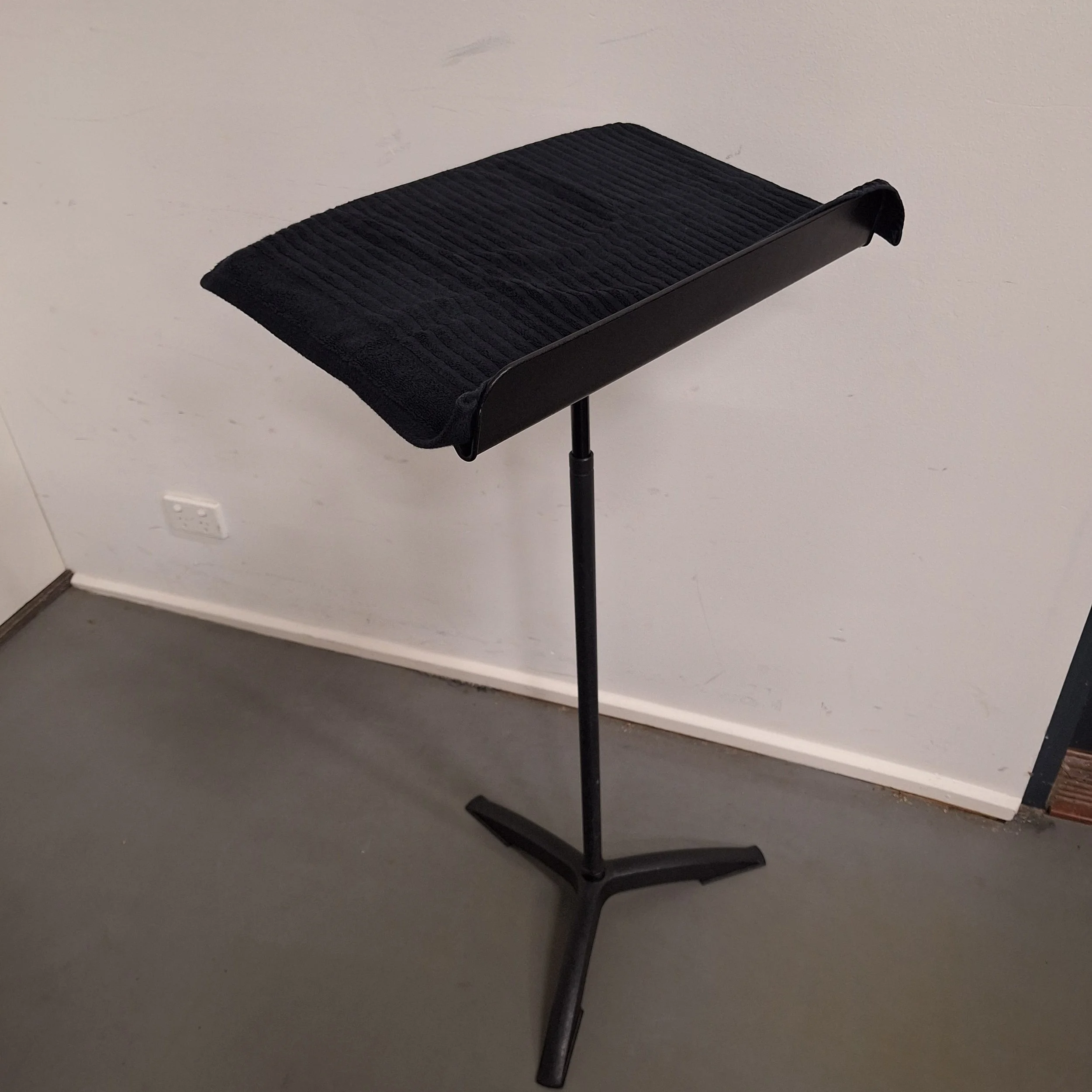
This works best if you have the music stand head slightly angled with the lip furthest away from you. That way, if you have auxiliary instruments or mallets that can roll, they won’t go far.
This doesn’t work as well with collapsable music stands, but can be made to work in a pinch if you find some sort of backing to cover the gaps (e.g., a piece of cardboard).
Well, that’s all for today. Take care and happy playing!