

For the answers to all your percussion questions!
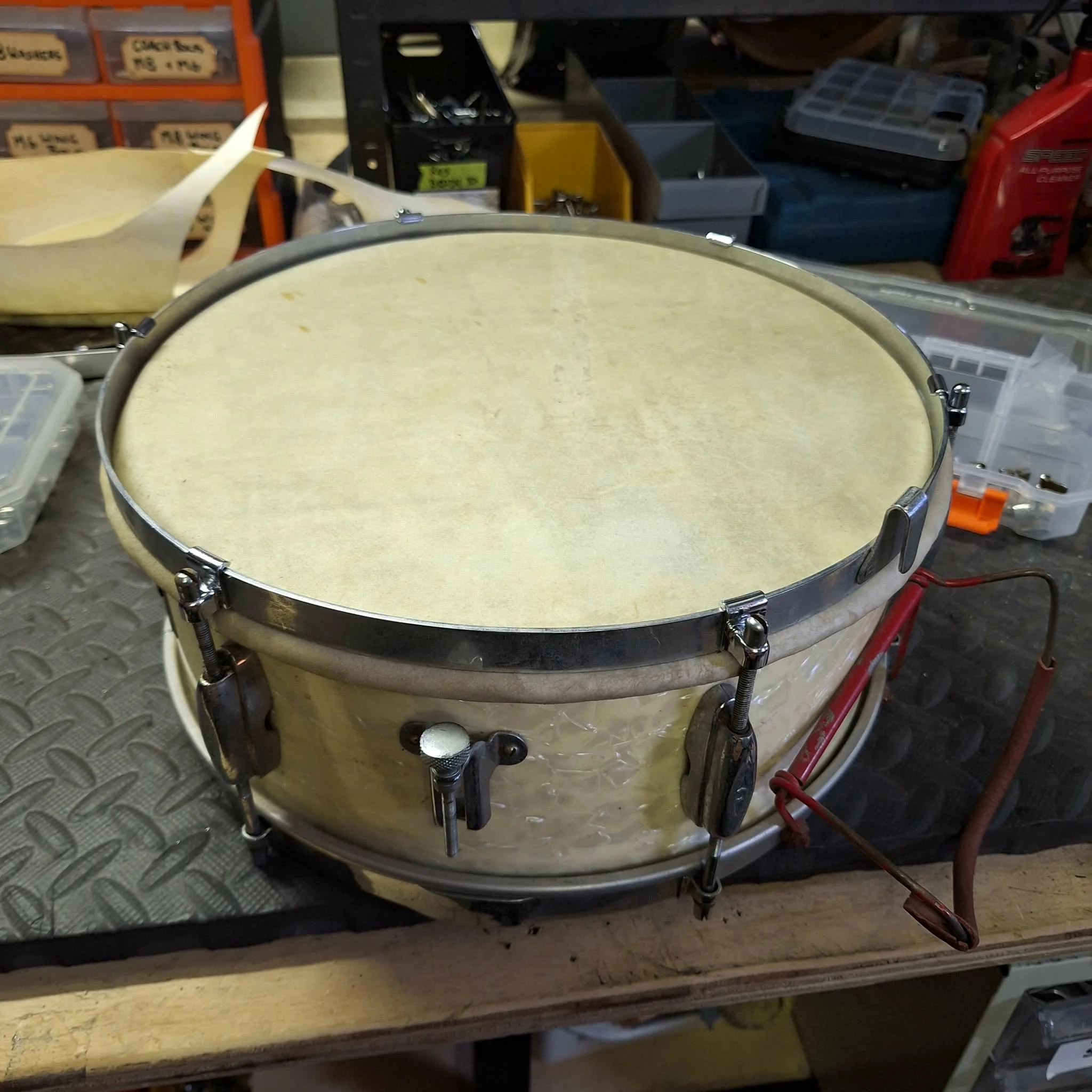
Week 2: Carclew Fellowship (20-24 April)
The last fortnight has been so surreal but also immensely rewarding. I feel more confident about my approach to percussion repairs and now have a roadmap for how to turn this into a robust career.
The second week of my fellowship focused on more involved repairs, moving from servicing into restoration and even a bit of fabrication. Although more advanced than projects that I’d attempted on my own, I relished the challenge to expand my skill set.
Same as my previous post, I’d like to share some highlights from the second and final week of my fellowship
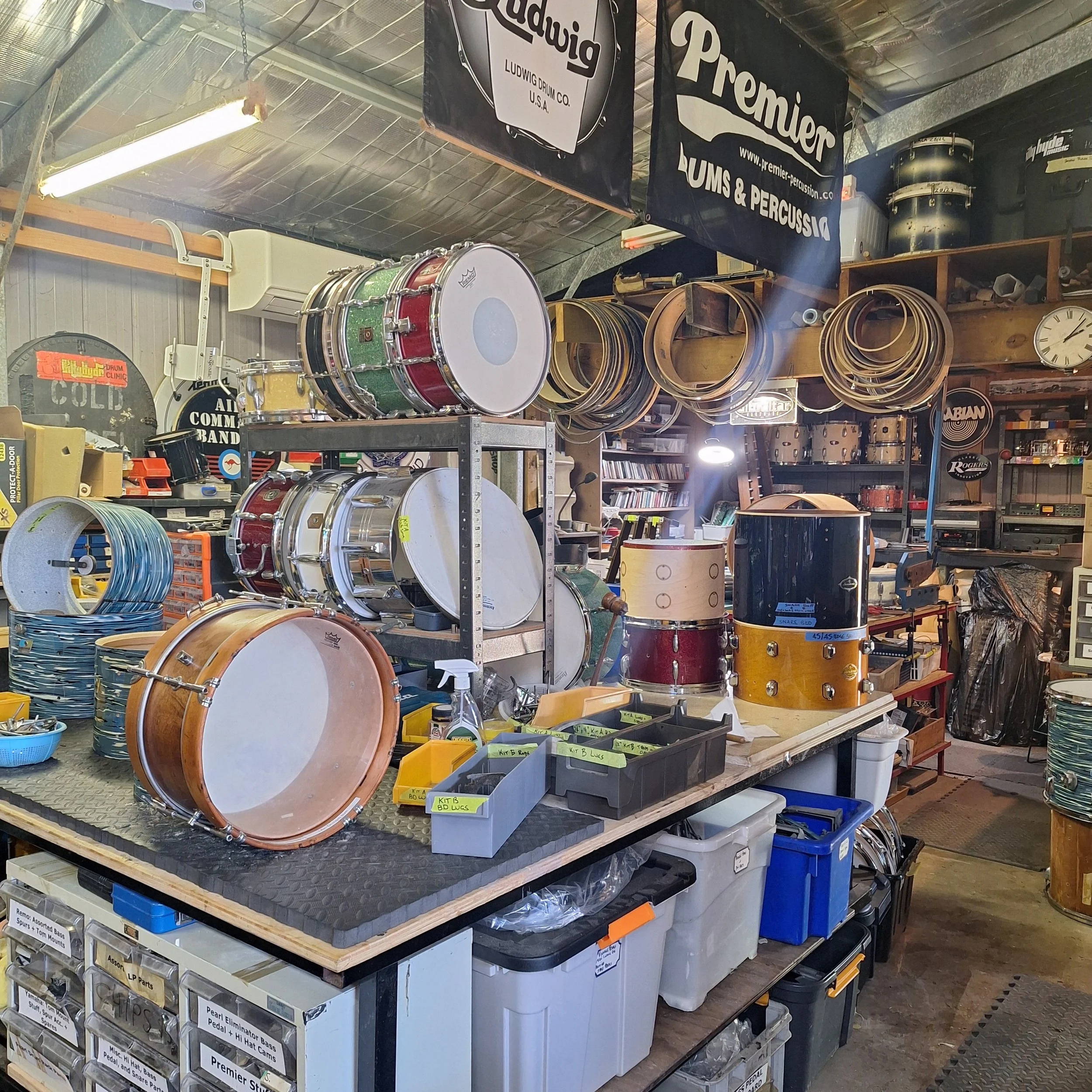
Week 1: Carclew Fellowship (13-17 April)
It’s been amazing getting to focus in such a concentrated way on percussion repairs and servicing. Apart from developing a huge shopping list of tools and products to buy upon my return to Adelaide, this fellowship has been incredibly beneficial and confidence building.
Learning from my mentor, Dave Egan aka The Sydney Drum Doctor, has allowed me to fill gaps in my knowledge base, clarify underlying principles and review previous projects. To help make sure all the new info sticks in my memory, I thought I’d share a little about what I’ve been working on this week.
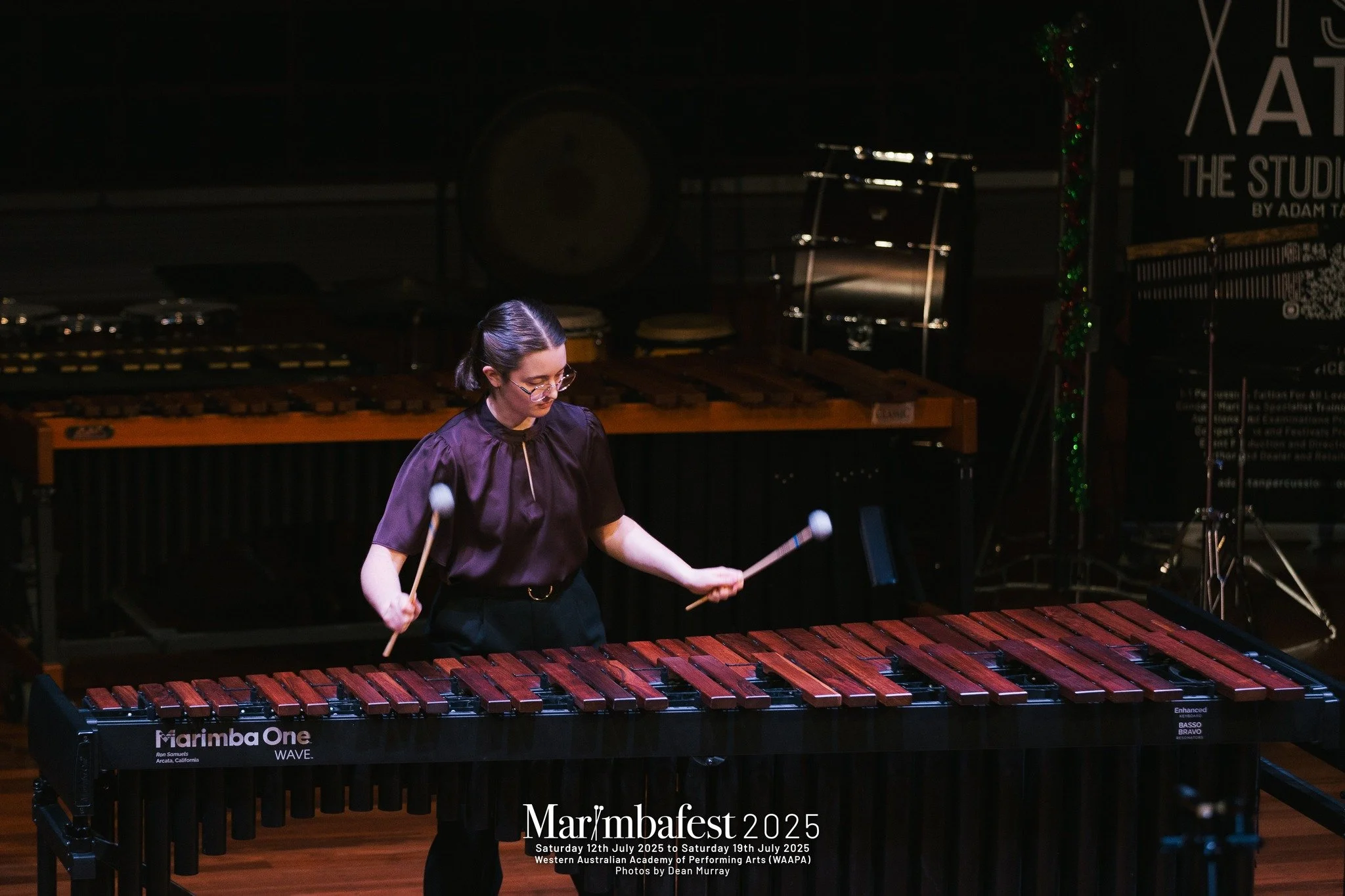
2025 in Review
As the year races to an end I thought I’d indulge in a bit of sentimentality and reflect on how much Fulcrum has grown since 2024. When stuck in the weeds of the day-to-day, it can be hard sometimes to see just how much progress you’ve made. Looking back though, I’m really proud of what I’ve learnt this year and where the business will be going in 2026.
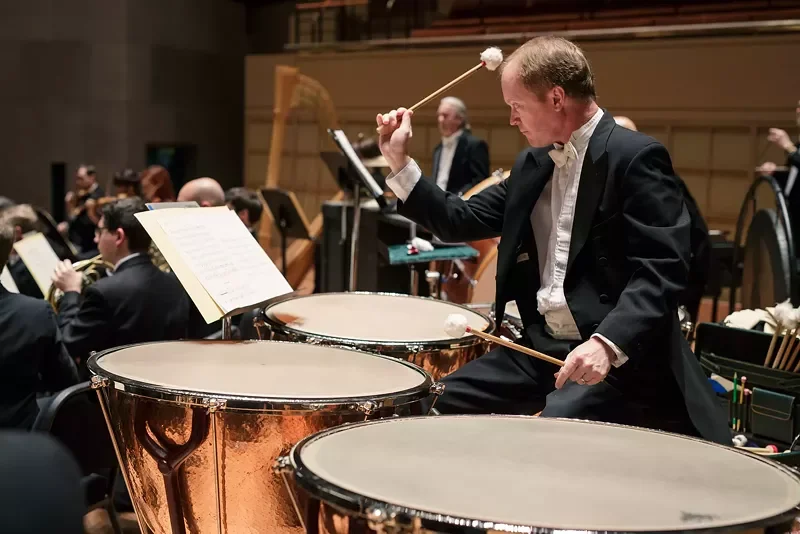
To Sit or Not to Sit?
As timpani have evolved, they’ve become more complex. No longer confined to the back of a horse and a limited range of notes, composers are taking advantage of the instrument’s full abilities. Especially the pedal.
From a student perspective, pedal work starts appearing in intermediate repertoire and will usually coincide with key changes. They require performers to change the note while also counting bars rest and maybe even still playing. The harder the repertoire gets, the greater variety of notes timpanists are required to play and the more frequent these pitch changes occur.
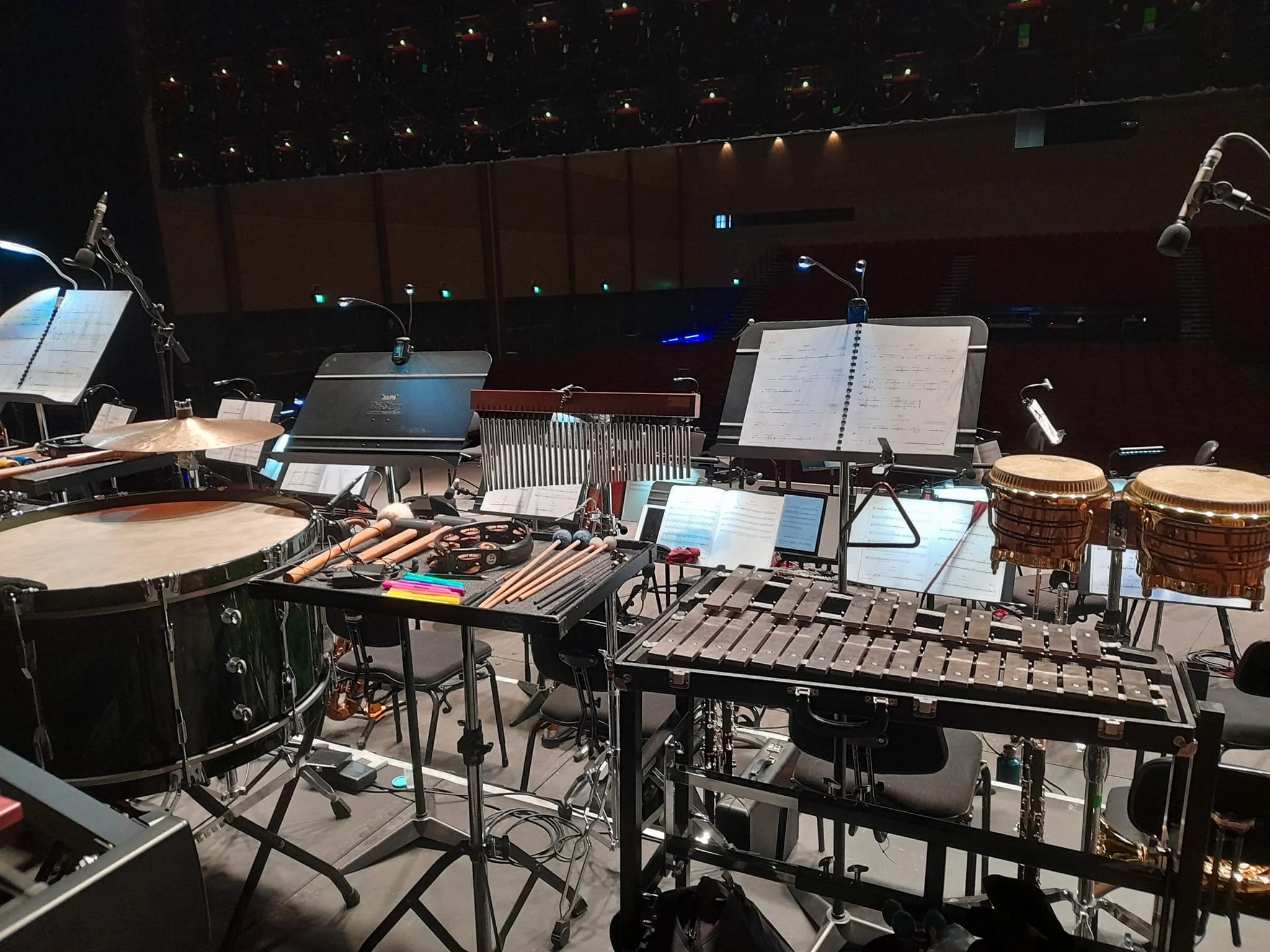
Ensemble Fundamentals
Some lessons are unique to group settings and will only make sense or come into effect when performers are in a space where it can be demonstrated. Most band directors and conductors won’t have time to guide percussionists through these aspects because they need to focus on the larger ensemble. Unfortunately, this means it’s easy for these fundamentals to be missed and for the ensemble’s sound to suffer as a result.
To combat this, here are three ensemble fundamentals inexperienced percussionist should look out for!
![But we don’t have a [blank]](https://images.squarespace-cdn.com/content/v1/657bfafc28a46a3fc4164020/1756622642494-MEPDT7ZJME6EMD5URR73/sheet+music.jpg)
But we don’t have a [blank]
The term ‘Percussion’ covers a lot of instruments. As such, it’s a pretty common to come across ones listed in your sheet music which you don’t have access to. Whether this is due to limited budget, broken instruments, or obscure rarities don’t really matter. What does matter is figuring out a suitable alternative.
The basic principle to selecting an alternative is to find something with the closest equivalent timbre or function. So, without further ado, here are my Top 10 percussion substitutions!
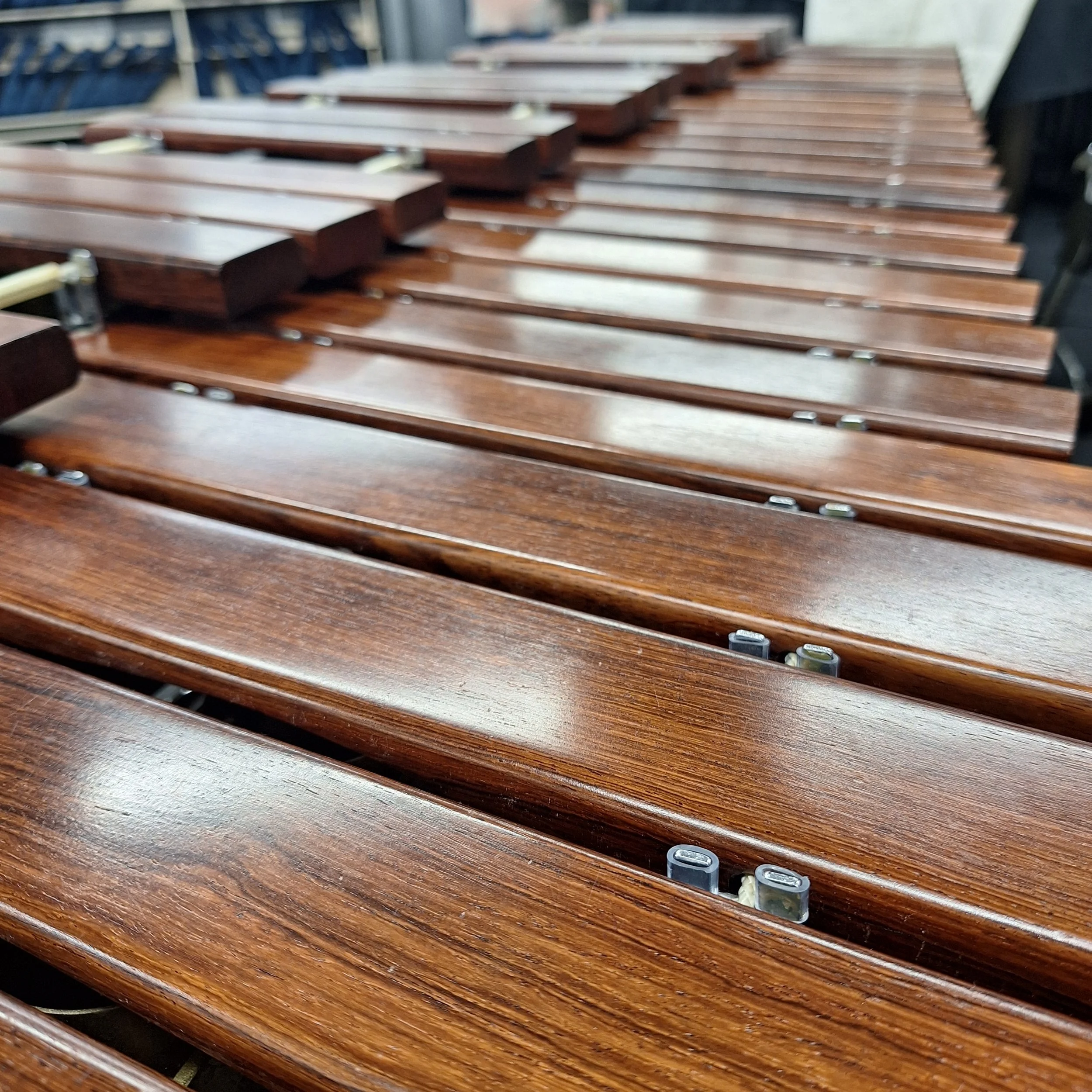
Intro to Tuned Percussion
Following on from last month’s post about timpani, a colleague asked me to do a deep dive into tuned percussion. All too frequently school teachers are asked to run curriculum units on percussion with it being assumed they know the ins and outs of these instruments. Which is a bit unfair given that I’ve spent 18 years specialising in the subject and am still figuring things out!
So today I’d like to provide an introduction to all things tuned percussion – enjoy!
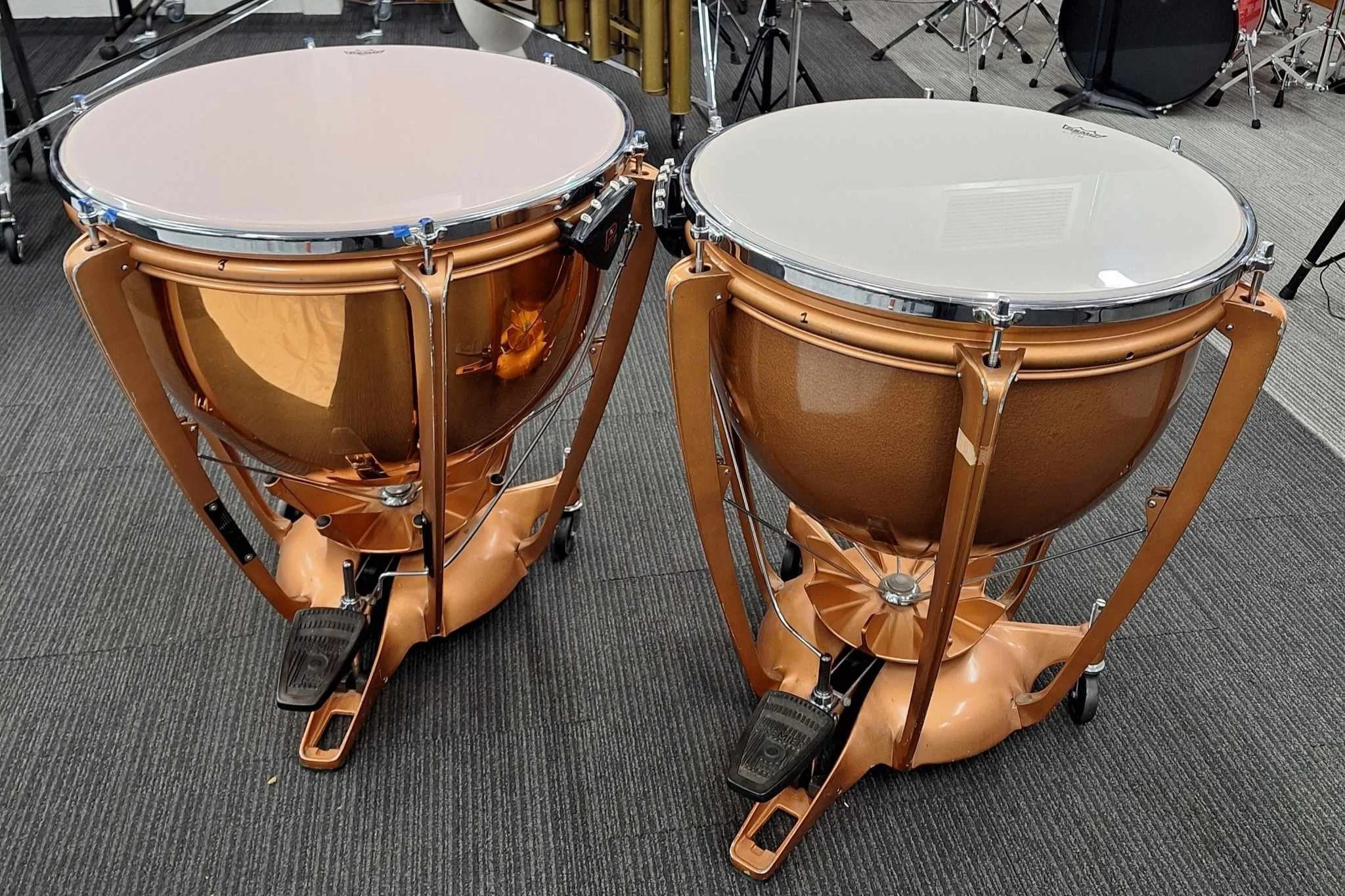
Timpani Crash Course
The first person to teach me timpani was a violist in my first rehearsal with the Adelaide Youth Sinfonia. My introduction to these instruments boiled down to “Here’s the head, pedal, and gauge. Hit one, move the other, and keep an eye on the third”. This was technically an accurate description of how timpani work, but back then I wished I had a map to help me navigate these drums which were (at the time) twice my size!
So, that’s what I’ve decided to do today. Consider this your beginner’s guide to all things timpani – enjoy!
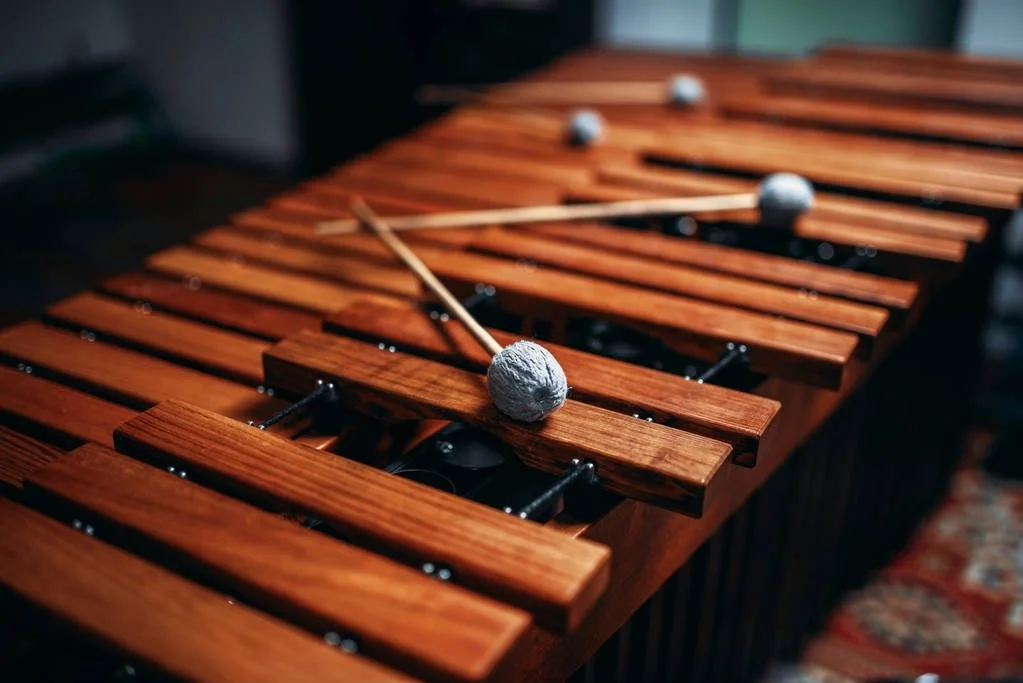
Choosing the Right Mallets
Mallets are expensive and even as a seasoned percussionist it can be difficult to know which ones to buy. For this reason, most percussionists I know tended to start from the same general selection of mallets before branching out.
This month I thought it would be useful to explore popular recommendations. Whether you’re looking to boost your school collection or a student has asked for advice, I hope this list helps you on your way!
Common Fulcrum Fixes
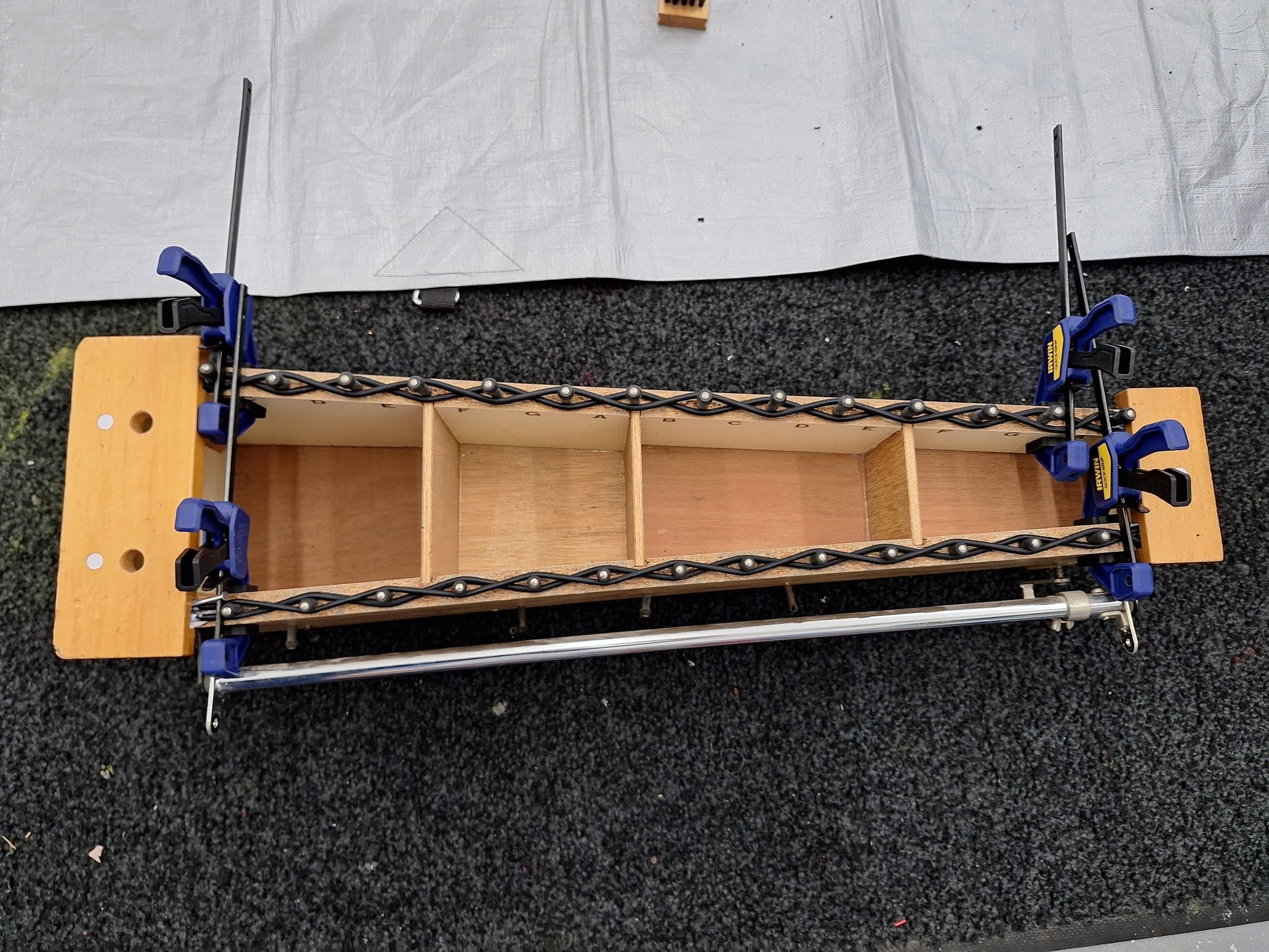
While at university I learnt the basic theory of how percussion instruments are constructed and how the parts work together. However, no one ever really taught me how to repair my instruments when they broke. The vast majority of what I know now is self-taught, gained through trial and error and repetition. And it’s that repetition I’d like to focus on today. While there are certainly skills I still want to learn, there are some tuned instrument repair jobs I’ve completed so often that I could do them in my sleep!
So, here’s to some of the most common mallet percussion fixes!
Before you buy, consider…
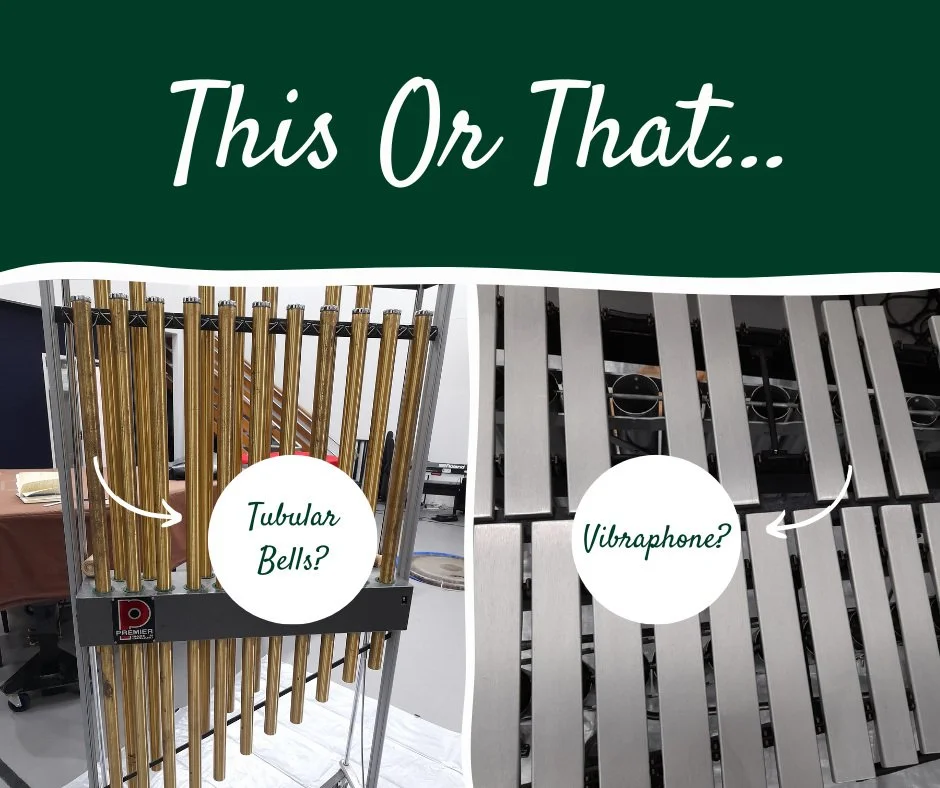
Picture it: you’ve been presented with the opportunity to buy some new percussion equipment but you aren’t sure where to start. What brands should you get? How much should you spend? What are crotales?
It’s a difficult situation. But I’ve got some tricks you can use to help figure it out!
Section Etiquette
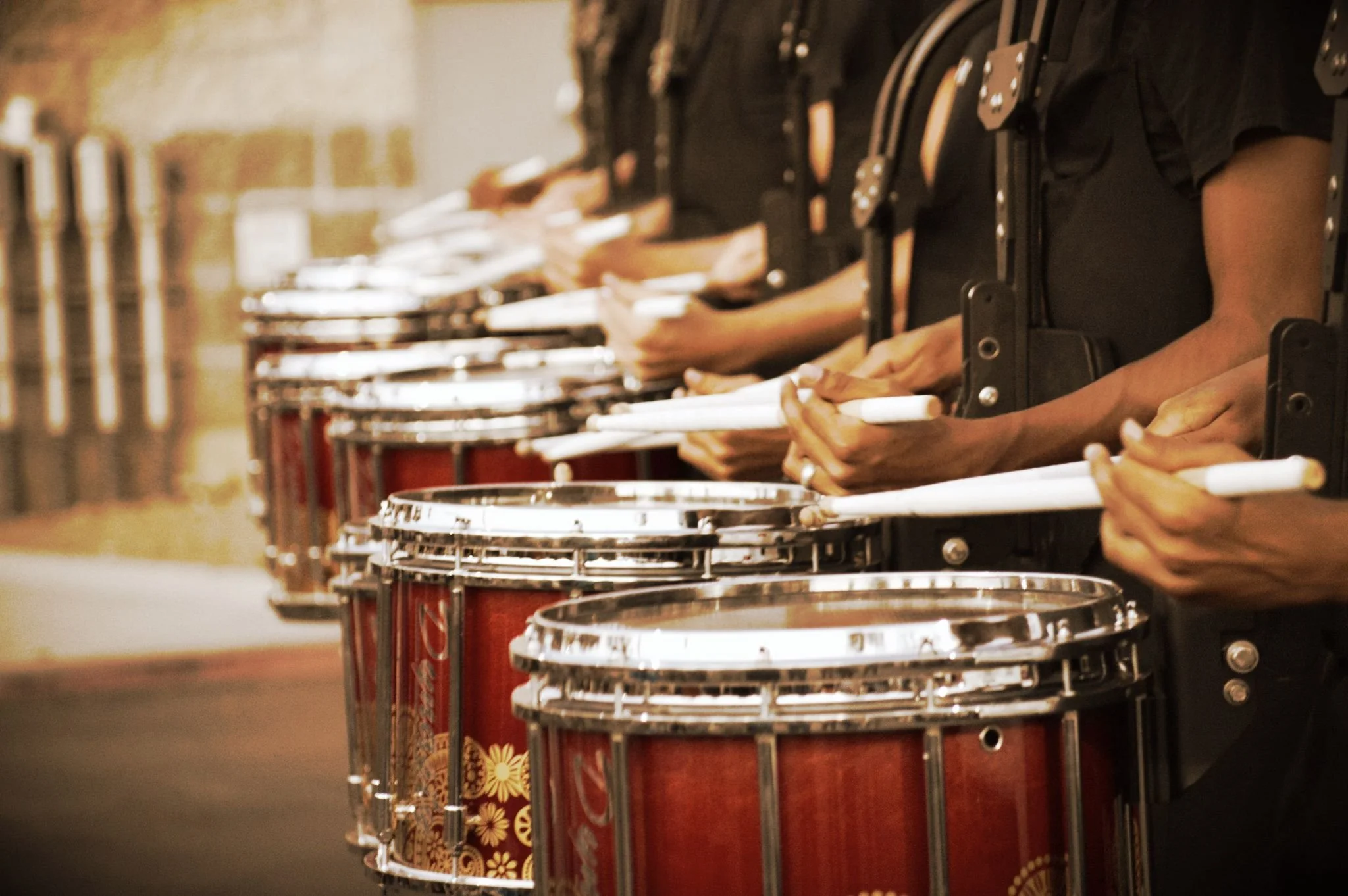
I like to think of orchestras as their own micro societies. You have a hierarchy, with the conductor, concert master, and section leaders. You have rituals, such as rehearsals, sound checks, and performances. And, as with any society, there are rules or moral codes.
Using the term ‘section etiquette’ makes it sound more complicated than it is. Ultimately, what I’m discussing here is how musicians, especially percussionists, interact with each other. The rules below aren’t complex — there are only three — but they’re useful for promoting section harmony.
Caring for yourself
My top five tips for percussion self-care and section safety which I used to teach my students. These are applicable not only to ensemble rehearsals and performances but also personal practice. Hope they help!
Caring for your instruments
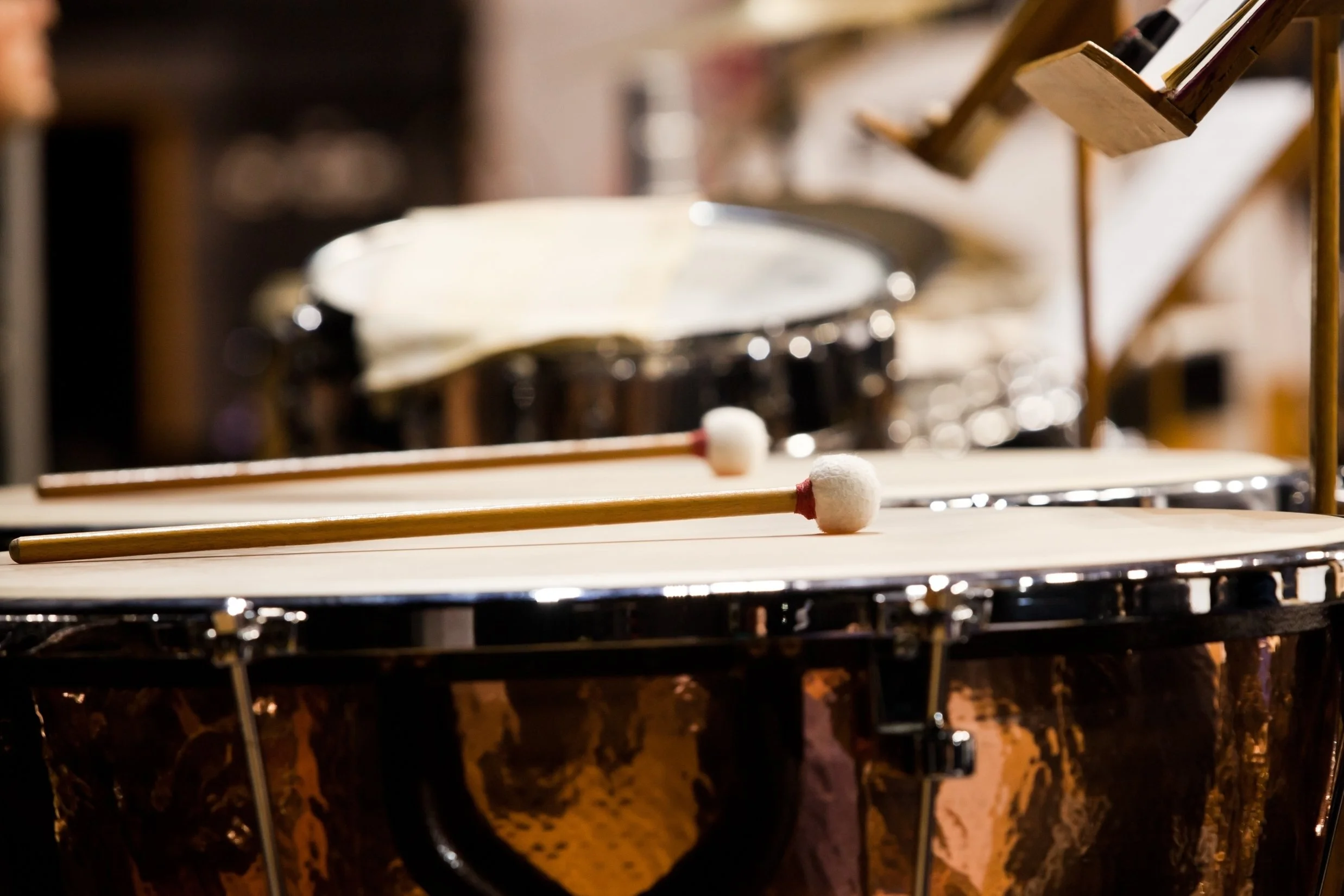
One of the main reasons I started Fulcrum was because I kept seeing the same instrument care mistakes over and over again. It’s easy to forget as a percussionist that not everyone knows the best way to care for these instruments. So, to help remedy that, here are five easy thing you can do to care for your percussion instruments, prolonging their lives and reducing the need for expensive maintenance!